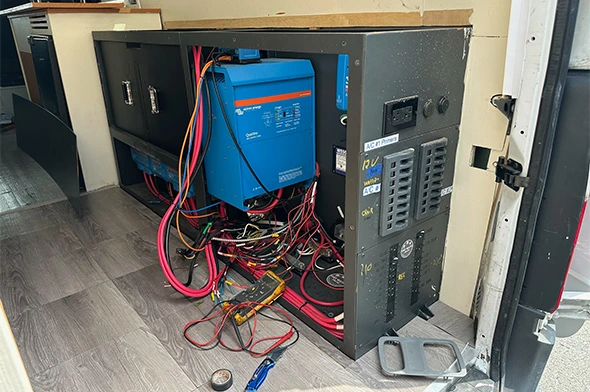
Most RV generator problems show up in a few familiar ways. The generator cranks but won’t start, starts and dies after a few minutes, surges up and down, or shuts off as soon as the AC kicks on. Others run but put out little or no power at the outlets.
These symptoms often trace back to stale fuel and a gummed-up carburetor on gas units, clogged fuel or air filters, low oil that triggers the automatic shutdown, a weak starting battery, or a failed breaker or transfer switch. Our RV generator repair in Highland, NY starts with testing to find the actual cause, so we fix the fault instead of replacing parts that still work.
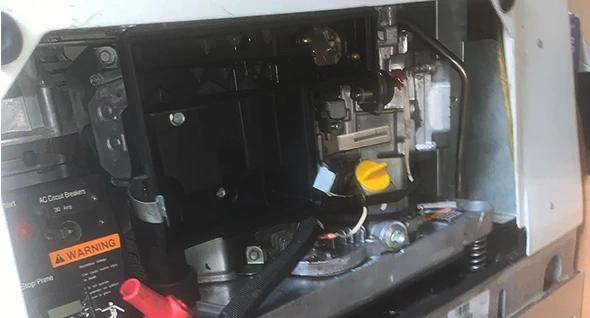
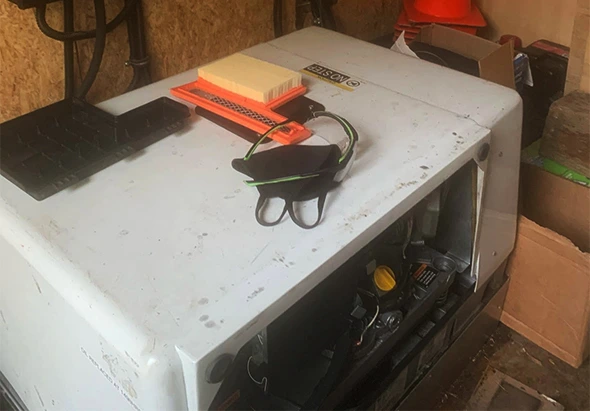
A generator that starts when you need it makes camping away from hookups far easier.
Reliable Starts: Regular servicing and correct repairs lower the chance of a generator failing in the middle of a trip.
Clean, Steady Power: A generator that runs properly delivers stable voltage, which protects your AC, microwave, and electronics.
Right-Sized Equipment: We match the generator’s size and fuel type to your RV, your power use, and how you camp.
Safer Exhaust and Fuel Systems: We check exhaust, fuel lines, and mounting for leaks and damage, which matters for carbon monoxide safety.
Generator work starts with seeing how the unit runs today and ends with a full load test.
If the generator starts, we run it under load and note any surging, smoke, odd noises, or shutdowns.
We test the fuel, ignition, air, and electrical systems, including the transfer switch, to find the fault.
We explain your options and the cost, then complete the work you approve.
We run the generator with your AC and other appliances on to confirm steady power before you pick up the RV.
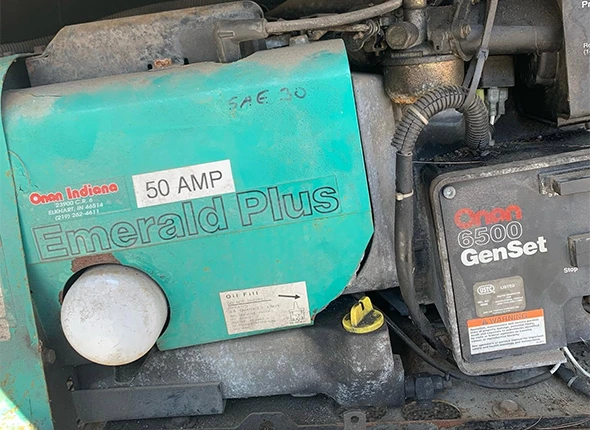
Many generator problems come from sitting unused rather than from heavy use. Fuel left in a gas generator for months breaks down and gums up the carburetor, and a generator that rarely runs can develop a dead starting battery, dried-out seals, and corroded connections. Most manufacturers recommend running the generator under load on a regular schedule, even during storage.
Our RV generator maintenance and servicing in Highland covers oil and filter changes, air and fuel filters, spark plugs on gas units, an inspection of the exhaust system and mounting, and a load test to confirm steady output. We follow the service intervals in your generator’s manual, which are usually based on hours of use. Many owners book RV generator servicing before the travel season or before winter storage.
Sometimes repair isn’t the right call. RV generator replacement often makes more sense for an older unit with worn internal parts, repeated failures, or repair costs close to the price of a new one. Some RVs also come generator-ready without a generator installed, and owners who add more appliances can outgrow the unit they have.
Our RV generator installation and replacement in Highland, NY includes sizing the unit to your power needs, mounting it securely, and connecting the fuel and exhaust safely. We wire it through a transfer switch so shore power and generator power never feed the RV at the same time. Once it’s installed, we load-test the generator with your AC and other appliances running.
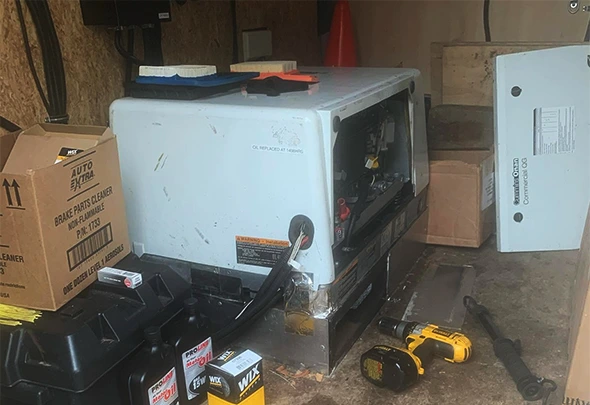
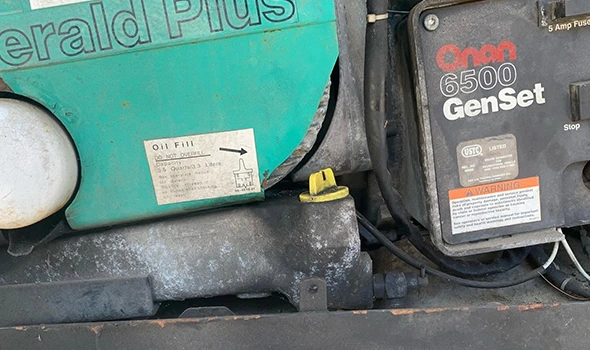
Most built-in RV generators run on gasoline, diesel, or propane, usually matching the fuel the RV already carries. A gas RV generator is common on gas motorhomes and is usually less expensive to buy and repair. A diesel RV generator is typical on diesel pushers and tends to be more fuel-efficient under heavy use, though repairs can cost more. Propane generators are common on travel trailers and fifth wheels.
We service and repair both diesel and gas units, and each has its own weak spots. Gas generators often need carburetor cleaning and fuel system work, especially after storage. Diesel generators are more sensitive to fuel quality, air in the fuel lines, and clogged fuel filters.
An inverter RV generator produces cleaner, more stable power than a basic portable generator, which is safer for laptops, TVs, and the electronics in modern RVs. Inverter generators are also quieter and use less fuel at light loads, because the engine speeds up and slows down with demand. Many owners use a portable inverter generator to back up or replace a built-in unit.
A solar RV generator works differently. It is a battery-based power station that charges from solar panels and runs silently with no fuel, but it stores a limited amount of energy and usually can’t run a rooftop AC for long. We can help you decide which type fits how you camp and make sure it connects to your RV’s electrical system correctly. For a permanent rooftop system, see our RV Solar Panel Installation page.