
Standard wheel balancing spins the wheel and tire freely and corrects uneven weight with small wheel weights. That fixes many vibrations, but not all of them. A tire can be perfectly balanced by weight and still vibrate on the road if it is slightly out of round, has stiff spots in its construction, or is mounted on a wheel that doesn’t run true.
Road force wheel balancing adds a load roller that presses against the tire as it spins, simulating the weight of the vehicle on the road. The machine measures how the tire and wheel behave under that load and shows where the problem is. That lets us correct vibrations a standard tire balancing machine can’t detect, which is why road force balancing is often the next step when a regular balance didn’t solve the problem.
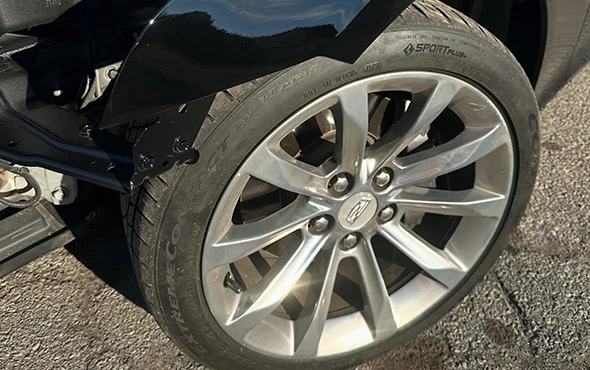
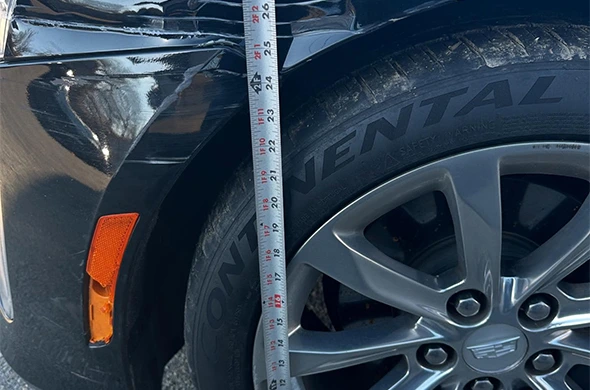
A properly balanced set of wheels and tires changes how the whole vehicle drives.
Smoother Highway Ride: Balanced wheels and tires reduce vibration in the steering wheel, seats, and floor, especially at highway speed.
Longer Tire Life: Balanced tires wear more evenly, which helps them last longer.
Less Wear on Parts: Constant vibration wears bearings, shocks, and steering parts, and balancing reduces that stress.
Clear Answers: If a wheel is bent or a tire can’t be balanced out, we show you the readings and explain your options.
Road force balancing takes a few more steps than a standard balance, and each one helps find the source of a vibration.
We check tread wear, tire age, air pressure, sidewall damage, and the condition of each wheel.
A load roller presses against each tire as it spins to measure how the tire behaves on the road and how true the wheel runs.
When needed, we rotate the tire on the wheel to line up its high and low spots, then balance the assembly.
We drive the vehicle to confirm the vibration is gone or reduced before you pick it up.
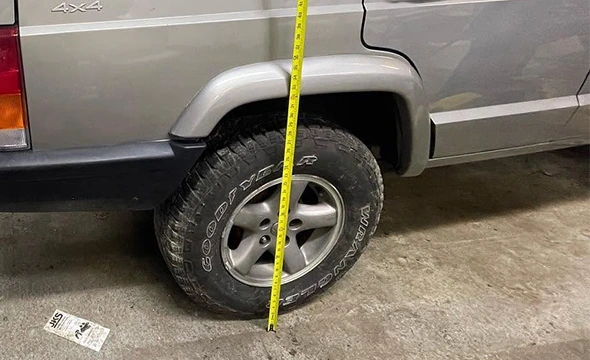
Out-of-balance tires usually show up as a shake in the steering wheel, a buzz through the seats or floor, or a vibration that starts at a certain speed and fades above it. On an RV, the vibration can also rattle cabinets and fixtures, and the tall, heavy body can make it more noticeable.
Tires lose balance over time as they wear, after a wheel weight falls off, or after a tire is repaired or remounted. RVs that sit for long periods can also develop flat spots that cause vibration until the tires warm up, and sometimes the flat spots don’t go away. We recommend checking balance whenever new tires are mounted or a new vibration appears.
RV wheels carry far more weight than car wheels, and they take hits from potholes, curbs, and rough campground roads. A bent or out-of-round wheel causes vibration no matter how well the tire is balanced. Road force balancing measures how true each wheel runs, so we can tell whether the wheel or the tire is causing the problem.
Steel RV wheels are common on travel trailers, fifth wheels, and many motorhomes. They are strong and inexpensive to replace, but they can bend, rust around the lug holes and the bead seat, and lose the tight fit a tire needs to seal and balance properly. We check steel wheels for bends, cracks, and corrosion, and we use the correct weights and mounting method for each wheel type.
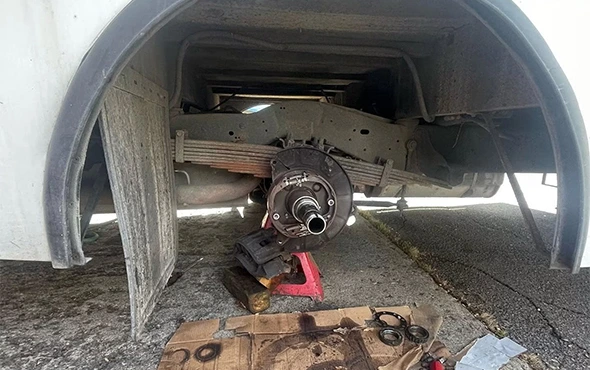
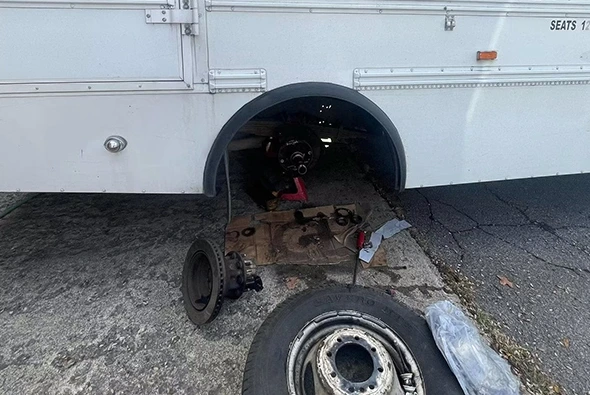
RV tires work hard. They carry heavy loads for long distances, then often sit unused for months, which ages the rubber even when the tread looks good. Many tire makers recommend replacing RV tires based on age, not just tread depth, so it is worth checking the date code on the sidewall before a big trip.
Heavy-duty RV tires on larger motorhomes and trucks are bigger and stiffer than passenger tires, and small differences in how they are built can cause noticeable vibration. We mount and balance RV tires with touch-less equipment that avoids scratching the wheel, set them to the pressure listed for your vehicle, and check them for bulges, cracks, and uneven wear. Call ahead with your tire size so we can confirm we have the right equipment for your wheels.
Not every vibration comes from wheels and tires. A bent axle, worn suspension parts, loose steering components, bad wheel bearings, or an alignment problem can all feel like an out-of-balance tire. If the balance readings look good but the vibration remains, the cause is somewhere else.
When that happens, we check the alignment, bearings, and suspension and explain what we find. It often makes sense to check the alignment at the same visit, since alignment and balance both affect how tires wear and how the vehicle tracks.