We repair RVs and trailers across Highland and nearby areas with practical, hands-on work. From leaks to electrical faults, we focus on fixing real issues so your vehicle stays safe, stable, and ready for the road again without unnecessary delays.
Most RV roof leaks don’t begin where the damage is visible. Water usually enters through dried or cracked sealant around vents, air conditioners, and roof joints, where constant vibration slowly breaks the sealing bond over time. The actual damage often spreads above the ceiling line, where insulation absorbs moisture and allows it to travel before it becomes visible inside. We locate leaks by inspecting seam condition, soft roof sections, and hidden moisture movement instead of only focusing on visible cracks.
Many RV roofs develop issues after repeated heat and cold cycles that expand and contract seal materials until small gaps start forming. Even a tiny opening can allow water intrusion during highway rain pressure or travel conditions. Repair work involves completely removing failed seal layers instead of covering them with new material. Fresh sealing is applied only after the surface is properly cleaned and stabilized, ensuring strong bonding. This approach helps prevent repeated leaks that often return after temporary patch repairs.
Each problem requires a specific repair approach based on how the vehicle is actually operated and maintained.
Handles mechanical wear, loose fittings, and body damage that impact safe driving and daily RV performance.
Deals with soaked insulation, hidden moisture areas, and mold growth behind panels caused by unnoticed leaks.
Covers axle stress, frame bending, brake performance issues, and wiring faults from heavy towing conditions.
Manages mixed issues across plumbing, electrical, and structural systems when multiple faults appear together.
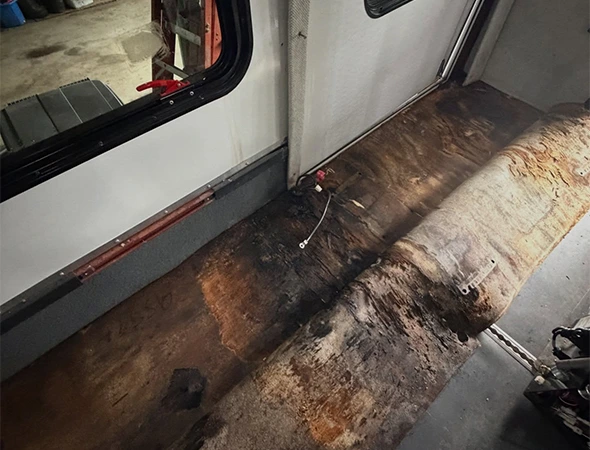
Replaces weakened flooring sections where moisture or aging creates soft or unstable areas under foot traffic.
Fixes aluminum shell issues, sealing failures, and interior damage caused by vibration over time.
Wheelchair lifts, ramps, and mobility equipment were installed and calibrated for safe, reliable, independent vehicle access every day.
Engine, electrical, and mechanical issues were diagnosed and resolved to keep work and passenger vans running smoothly every day.
Bent, rusted, or weakened frame sections were assessed and rebuilt to restore full strength and towing reliability for every trip.
Customers choose our service because repairs are based on real driving conditions and long-term reliability rather than temporary fixes.
Leak Prevention Focus: Repairs address both visible damage and hidden moisture paths inside roof structures.
Safer Driving Performance: Every repair is checked for real road conditions to ensure stable long-distance travel.
Accurate Problem Diagnosis: Issues are traced to their actual source instead of treating surface symptoms that return later.
Long-Term Durability: Materials and parts are selected to withstand vibration, weather changes, and continuous travel stress.
Each RV is repaired based on how the issue developed instead of following a fixed routine.
We first understand how and when the issue started during real usage.
Systems are tested under working conditions to observe real failure behavior.
Only the confirmed damaged areas are repaired or replaced after proper diagnosis.
Final testing is done under real load conditions to ensure no hidden issues remain.
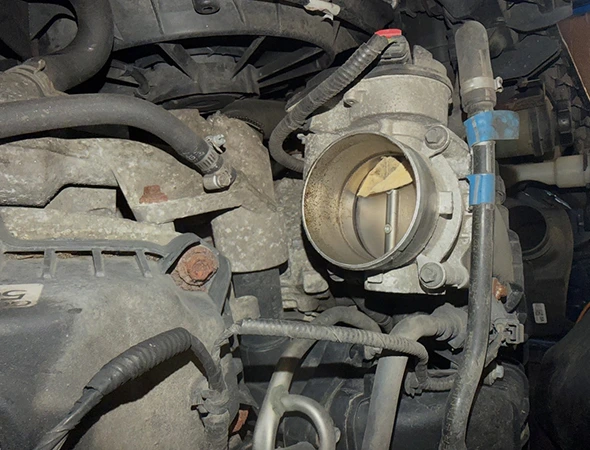
RV engine issues usually don’t appear suddenly. They start with small changes like slower pickup, uneven idle, or loss of power on long climbs. These problems are usually caused by a mix of fuel delivery, airflow restriction, and ignition timing issues rather than a single fault.
We check engine behavior under real driving load instead of relying on basic idle testing. Fuel pressure, air intake flow, ignition timing, and cooling balance are reviewed together because these systems affect each other during driving. Even a small air leak or weak sensor signal can reduce engine strength on highways.
Once the issue is clear, repairs are done based on what is actually affecting performance. This can include injector cleaning, sensor adjustment, ignition correction, or airflow restoration. After repair, the engine is tested again on road conditions like hills, highways, and stop-start traffic to confirm stable performance.
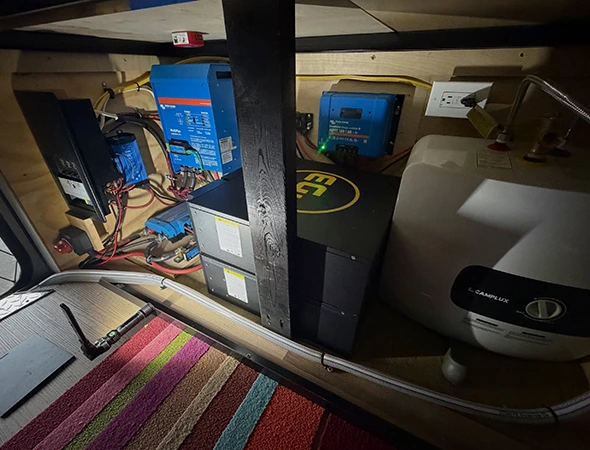
Electrical problems in RVs often begin with small signs like flickering lights, slow charging, or random power loss in appliances. Most of the time, the real issue is not the main component but weak wiring, grounding issues, or unstable connections. We inspect power flow from the battery to each system to see where voltage becomes unstable. Problems often show up only when multiple systems are running together, which is why testing is done under real load instead of idle conditions.
Battery drain is checked through charging performance, hidden power loss, and alternator output during driving. Shore power connections are also reviewed since external hookups can vary in stability depending on location. After repair, the full system is tested with all appliances running to make sure power stays stable without drops or interruptions.
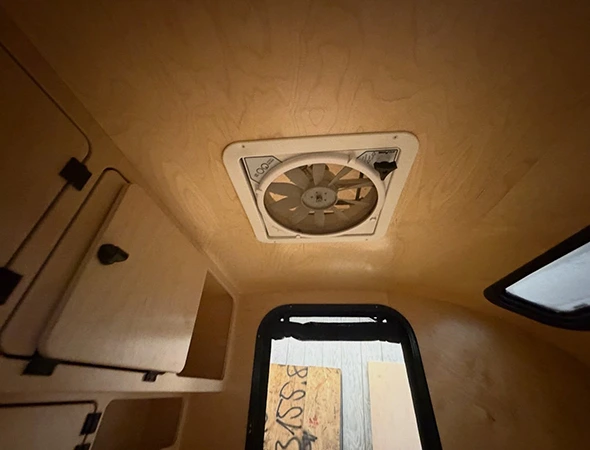
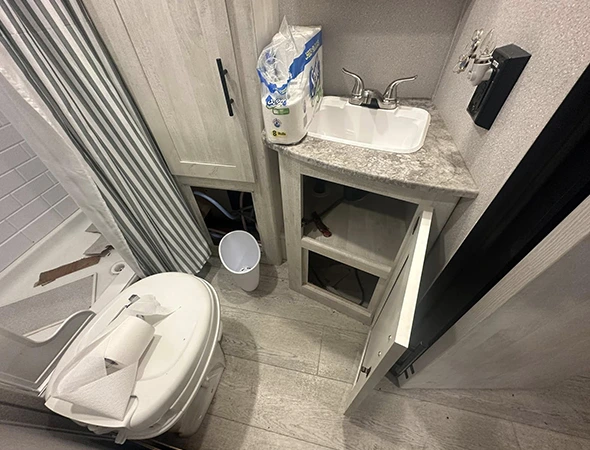
Water system issues usually develop slowly, starting with low pressure, uneven flow, or small leaks that are easy to miss at first. These early signs often point to weak pumps, hidden pipe leaks, or blockages inside internal water lines. We track water flow from the tank to the outlet to see where pressure is dropping. Common failure points include cracked fittings, loose joints, and aging hoses, especially in RVs exposed to changing temperatures.
Pumps are checked for steady pressure, and valves are tested under flow conditions to make sure sealing is working properly. Drain lines are also inspected because buildup inside pipes can slow down water movement or create backflow. We always test to ensure smooth and even water flow in all outlets during both parked and travel conditions.
Temperature issues in RVs usually start gradually with weak airflow or uneven heating and cooling before turning into a full system failure. These problems are commonly caused by blocked ducts, weak compressors, ignition delays, or thermostat issues. We check cooling pressure, compressor performance, and airflow strength. Heating systems are checked for ignition response, fuel delivery, and safe heat output under working conditions.
Dirty filters and blocked vents are also common reasons airflow drops even when the system is still running. Electrical fluctuations can also affect performance during high demand.
Once repairs are completed, the system is tested through full heating and cooling cycles to make sure the temperature stays stable during real travel situations.
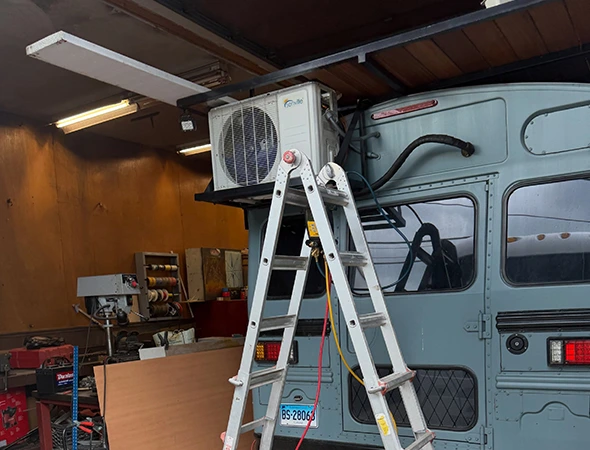
Leaks usually return when hidden damaged layers or weak seal sections are not fully removed before resealing.
Loose grounding, weak batteries, or unstable power flow from converters can interrupt system operation.
Fuel pressure issues, airflow restriction, or ignition delays reduce performance under continuous load.
Pump wear, pipe blockage, or internal leaks can reduce consistent water flow.
Blocked airflow, weak compressors, or thermostat issues affect the temperature balance inside the RV.
Contact us today so we can check your vehicle, find the real problem, and repair it properly to keep you safe on the road.
Hudson Automotive Repair & Service brings over 10 years of hands-on experience working on RVs, trailers, and travel vehicles built for real road conditions. We focus on practical repairs that improve safety, reliability, and long-term performance.